November 4, 2026
Operating a high-volume culinary establishment requires constant vigilance across every station, from prep tables to wash sinks. Behind the scenes, wastewater infrastructure silently bears the heavy burden of daily food preparation and dishwashing routines. According to Industry Research, culinary venues and dining facilities number well over 3.5 million worldwide, which illustrates the massive operational necessity for grease traps to preserve sanitation standards. When an interceptor fails due to neglect, the resulting backups disrupt dining service, create severe health hazards, and generate massive repair bills. Incorporating routine interceptor care into regular commercial plumbing management is therefore essential for keeping kitchen operations running smoothly without interruption.
Solid fats, oils, and grease represent persistent enemies of municipal sewer pipes and interior drainage lines. Without functional interception hardware, hot culinary fats quickly wash down kitchen sinks, cool inside pipes, and solidify into stubborn obstructions. These congealed masses catch discarded vegetable peelings and starch scraps, creating impenetrable dams that send contaminated water surging backward onto floors. Furthermore, municipal environmental inspectors routinely test commercial sewer outflow to catch rogue polluters before damage spreads to public infrastructure. Sustaining a clean interceptor protects public wastewater networks while safeguarding your brand reputation against catastrophic sanitation violations.
Examine the Internal Mechanics of Gravity Separation
Grease interceptors operate on a straightforward scientific concept that exploits density variances between wastewater and culinary fats. Warm drainage enters the retention chamber, where internal baffles decelerate the turbulent rush of incoming liquid. As the flow calms and chills, lighter greasy elements float toward the surface while dense food sediment sinks downward. The intermediate liquid layer escapes beneath a submerged discharge baffle into the main drainage line. Understanding this gravity separation allows kitchen leadership to monitor interior conditions before grease bypasses the containment chamber into the broader commercial plumbing system.
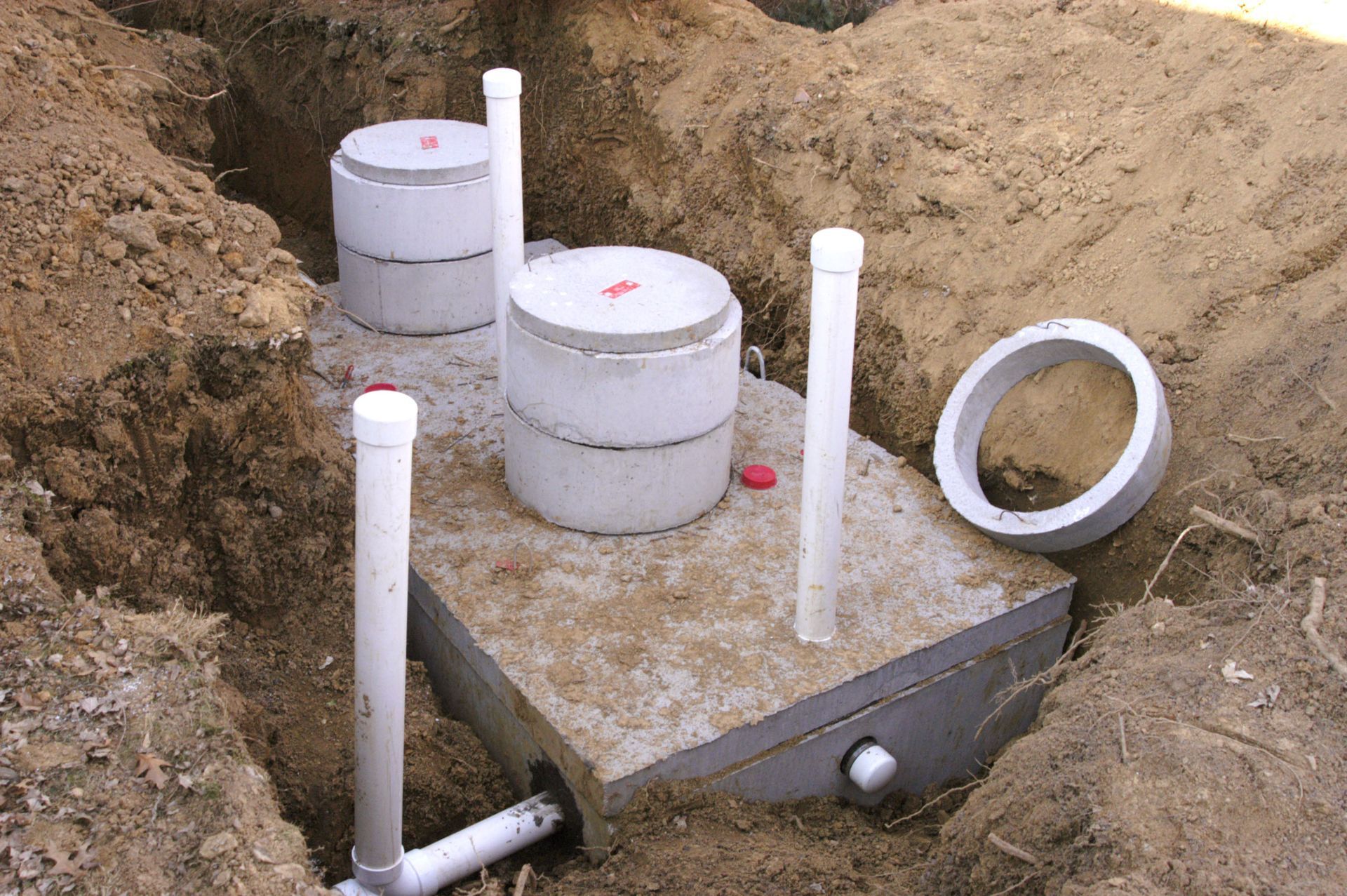
Different kitchen setups require specific trap styles to handle their respective output volumes and physical space constraints. Smaller indoor units sit directly under wash stations or embed flush into kitchen flooring near warewashing areas. These compact models capture grease close to the source, preventing grease from coating long stretches of interior commercial plumbing pipes. Massive exterior units buried underground handle aggregate discharge from extensive dish pits, tilting kettles, and pot-washing troughs. Each interceptor variation depends upon undisturbed detention periods, meaning excessive water velocity or boiling temperatures will defeat buoyancy separation.
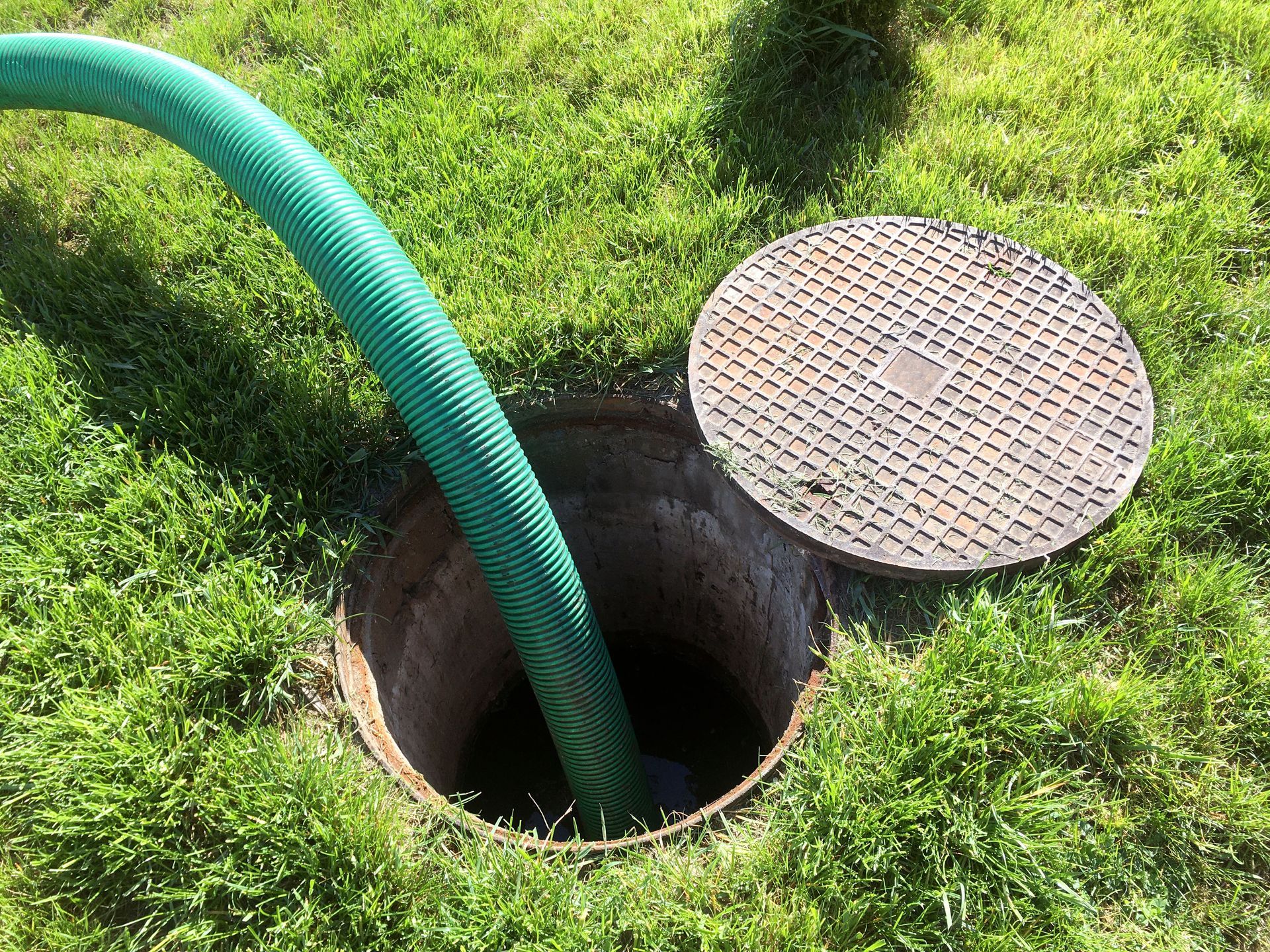
Routine visual inspections help staff determine whether internal baffles remain structurally intact and functioning correctly. Corrosive sewer gases and harsh cleaning detergents gradually degrade metal dividers and rubber seals over extended periods. If an internal baffle collapses, grease rushes straight toward the municipal main without settling, triggering immediate drainage distress. Culinary managers should regularly remove inspection covers to confirm that internal components sit securely in their intended positions. Maintaining structural integrity inside the trap guarantees that grease stays contained, shielding surrounding commercial plumbing from premature deterioration.
Implement Kitchen Protocols to Minimize Waste Entry
Preventive maintenance inside the kitchen requires rigorous waste management discipline before plates and cooking vessels ever meet running water. Back-of-house staff should thoroughly scrape excess gravies, cooking sauces, and butter residues into solid waste receptacles prior to washing. Installing fine-mesh drain screens over every prep basin catches stray vegetable peels and stray grains before they enter drainage lines. Kitchen leaders who cultivate these pre-scraping habits substantially reduce grease accumulation inside the trap. Limiting solid entry preserves interceptor storage space and diminishes the frequency of emergency drain cleanouts.
Culinary teams must also discard used fryer oil into designated recycling barrels rather than pouring liquid fat down plumbing fixtures. Deep frying produces vast volumes of spent oil that can instantly overwhelm grease management systems. Discharging liquid shortening down utility sinks guarantees rapid pipe narrowing, foul sewer gas release, and massive blockages. Kitchen managers must establish clear signage and designated storage barrels for spent cooking oil collection. Responsible oil disposal habits protect internal commercial plumbing networks while turning waste into valuable biofuel stock.
Hot water rinse routines require careful balance to avoid inadvertently pushing molten fats beyond the interceptor chamber. While boiling water temporarily liquefies fat accumulations, that molten grease inevitably cools and hardens downstream in public sewer pipes. Similarly, dumping excessive chemical degreasers or emulsifiers down drains simply breaks grease into tiny droplets that re-coalesce later in the sewer main. Kitchen employees should wash dishes with warm, regulated water rather than scalding torrents that liquefy trapped grease blankets. Consistent staff training on proper washing temperatures prevents grease from escaping into the surrounding commercial plumbing infrastructure.
Detect Warning Signals of Severe Drainage Distress
Recognizing early signs of interceptor overload allows restaurant operators to schedule servicing before facing catastrophic sewage backups. The most obvious indicator is sluggish drainage across kitchen basins, especially dishwashing sinks and floor drains. When water swirls slowly or bubbles up through low-lying floor grates, grease buildup is already choking wastewater flow. Prompt attention to sluggish sinks keeps prep lines moving and prevents foul water from contaminating sanitary culinary stations.
Pungent, sour odors wafting from kitchen drains provide another undeniable signal that the interceptor requires immediate servicing. As organic solids and rancid fats decompose inside the trap, anaerobic bacteria generate noxious hydrogen sulfide and methane gases. These foul odors readily seep through dried drain traps, permeating dining rooms and spoiling the guest dining experience. Masking these persistent odors with scented chemical sprays fails to resolve the underlying decomposition inside the holding tank. Addressing foul smells requires thorough physical pumping rather than cosmetic deodorizers, ensuring kitchen air remains fresh and sanitary.
Unusual gurgling noises emanating from floor drains often indicate that trapped wastewater cannot breathe due to heavy line blockages. When thick grease clogs interceptor passages, draining water creates a vacuum that pulls air through nearby plumbing traps. Left unaddressed, these airflow restrictions inevitably progress into full-scale blockages that rupture aging connections across vulnerable commercial plumbing sections. Monitoring auditory warnings gives culinary staff a vital head start before pipes overflow onto working prep areas.
Arrange Professional Pumping to Maintain Compliance
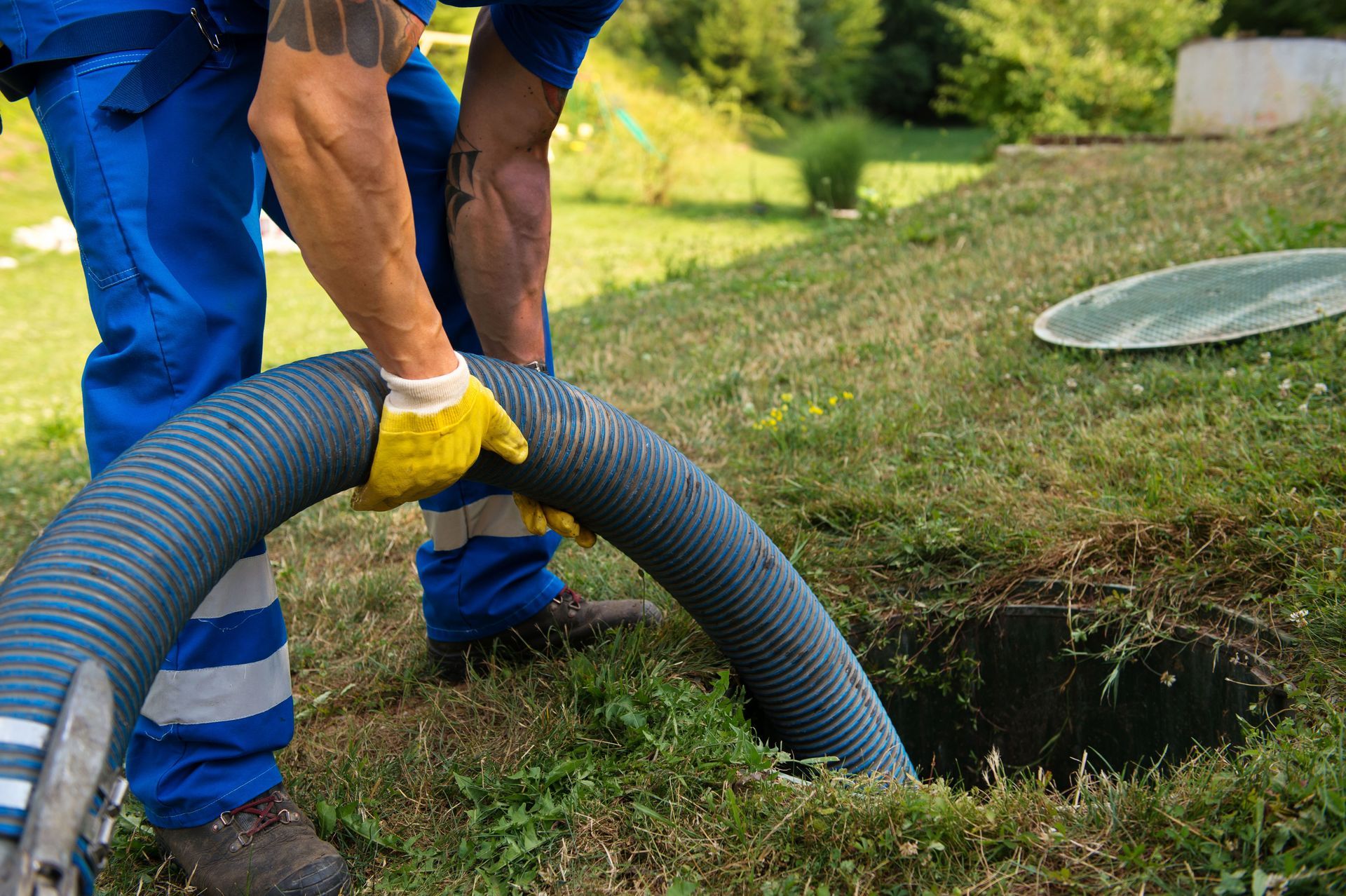
While daily kitchen habits reduce grease volume, professional evacuation remains the definitive solution for complete interceptor maintenance. Licensed wastewater technicians possess high-capacity vacuum trucks and specialized scraping tools designed to evacuate accumulated grease cakes and heavy benthic sludge. Technicians thoroughly scrape internal walls, clean baffle dividers, and inspect influent and effluent piping for structural deterioration. Partnering with certified service contractors guarantees that commercial operations fulfill local environmental health ordinances without fail.
Service frequency varies based on seating capacity, kitchen menu style, and the physical dimensions of the interceptor. Establishments featuring fried specialties, rich braises, and buttery pastries accumulate grease significantly faster than light cafes. Pumping should occur well before grease and solid waste occupy the operational capacity limit of the holding tank. Waiting until wastewater breaches internal baffles risks severe municipal fines and mandatory kitchen closures from health inspectors. Establishing an automated service schedule removes guesswork, ensuring interceptors receive scheduled pumping before blockages develop.
Meticulous documentation of every grease trap service provides essential legal protection during surprise environmental health inspections. Municipal regulatory authorities require commercial kitchens to maintain clear pumping logs and disposal receipts on site. Inspectors evaluate these maintenance records to verify that culinary businesses actively protect municipal infrastructure from grease pollution. Missing records or incomplete service logs can trigger harsh administrative penalties even if drains are flowing freely. Keeping detailed records in an accessible office binder proves full compliance and demonstrates responsible stewardship over local sanitation systems.
Navigating municipal environmental regulations demands consistent diligence, expert system care, and proactive wastewater management. Neglected grease interceptors quickly transform from silent utility boxes into expensive operational nightmares that disrupt kitchen workflow and jeopardize business licensing. Prioritizing routine tank pumping, diligent pre-scraping, and thorough staff education shields culinary facilities against catastrophic backups and costly structural failures. Investing in dependable
commercial plumbing solutions ensures uninterrupted service, safeguarding culinary livelihoods and culinary excellence for the long haul.
At Superior Plumbing & Mechanical, we deliver dependable grease trap pumping, line jetting, and comprehensive wastewater solutions tailored to busy kitchens. Our licensed technicians understand local municipal codes and work around your operational schedule to prevent costly culinary downtime. Contact us today to schedule your comprehensive interceptor inspection and keep your kitchen running at peak performance.