September 8, 2026
Maintaining an underground wastewater system requires an understanding of how daily habits and environmental conditions impact overall equipment longevity. For properties not connected to municipal sewer lines, an underground treatment system serves as the primary infrastructure for handling household waste. When functioning properly, these systems separate solid waste from liquid effluent and return purified water safely to the surrounding environment. However, structural degradation, improper usage, and lack of routine care can significantly shorten the operational life of these installations. Partnering with a professional septic service allows property owners to monitor system health, address minor issues before they escalate, and extend overall service life.
Every waste treatment setup operates within a delicate biological and mechanical balance. Bacterial colonies within the tank actively break down organic matter, while physical components filter and distribute liquid waste into the surrounding soil. When any part of this process encounters disruption, system performance declines rapidly. Factors such as daily water volume, chemical exposure, and physical soil pressures all influence how long components remain functional. Engaging a qualified septic service ensures that all structural components receive thorough evaluation, helping property owners protect their investment and maintain a healthy home environment for decades.
1. Household Water Usage and Daily Discharge Volume
The total volume of water entering an underground waste system significantly influences how efficiently solids separate from liquids inside the tank. High daily water usage creates continuous turbulence within the primary chamber, preventing heavy solids from settling to the bottom as sludge. When wastewater flows through the vessel too quickly, suspended solids can pass directly into the outlet pipe and enter the absorption area. Over time, excess liquid volume saturates the soil, placing extreme stress on overall system functionality.
Managing domestic water consumption helps maintain proper retention times required for effective waste breakdown. Spreading out laundry loads, repairing leaky fixtures, and installing low-flow appliances reduce the overall hydraulic strain placed on the system. Additionally, scheduling a professional septic service helps evaluate whether daily water volume aligns with total system capacity. Controlling daily discharge prevents premature clogging and ensures that structural components operate within designed parameters.
2. Tank Construction Material and Structural Quality
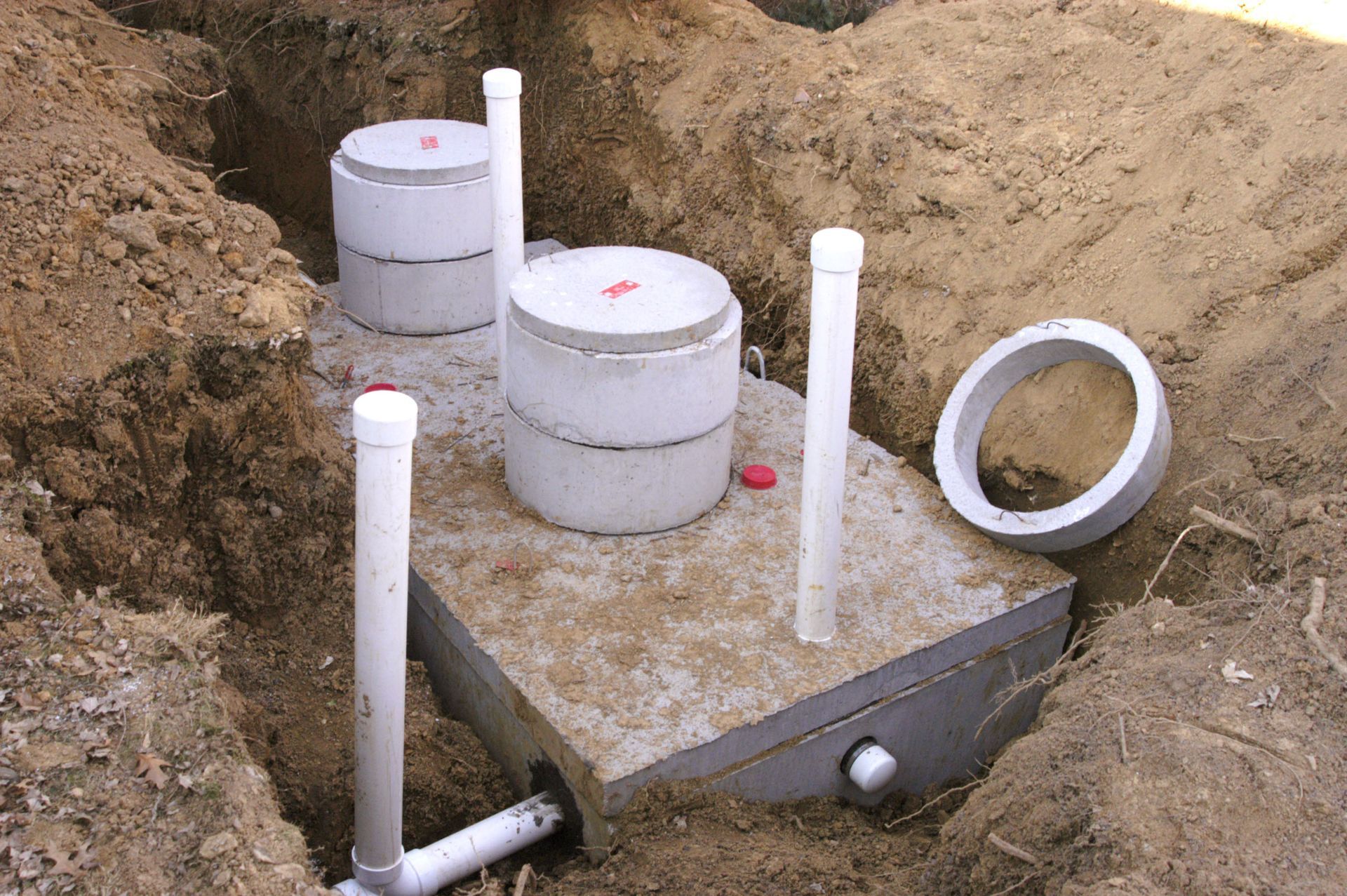
The primary material used to build an underground wastewater container directly impacts its resistance to environmental pressures and biological corrosion. Concrete containers offer significant strength and heavy mass, making them resistant to shifting soil conditions, though they remain vulnerable to acidic degradation over extended periods. Plastic and fiberglass alternatives provide complete resistance to chemical corrosion and moisture penetration, but their lighter weight makes them susceptible to damage from ground movement or improper backfilling during installation.
Selecting durable, high-quality materials during initial construction ensures long-term resistance to external structural stresses. Soil chemistry, groundwater levels, and surface loads all exert force on external tank walls. Regular structural assessments identify early signs of cracking, material thinning, or joint separation before major structural failures occur. Preserving the integrity of container walls prevents groundwater infiltration and keeps untreated effluent securely contained.
3. Proper System Maintenance and Regular Pumping Schedules
Routine removal of accumulated solids remains the most essential factor in preserving the functional life of an underground waste container. As organic waste decomposes, heavy solids form a dense sludge layer at the bottom, while lighter oils and grease float to the top as scum. If these layers are allowed to accumulate without removal, the clear liquid zone between them narrows, increasing the risk that solid debris escapes into the drain field.
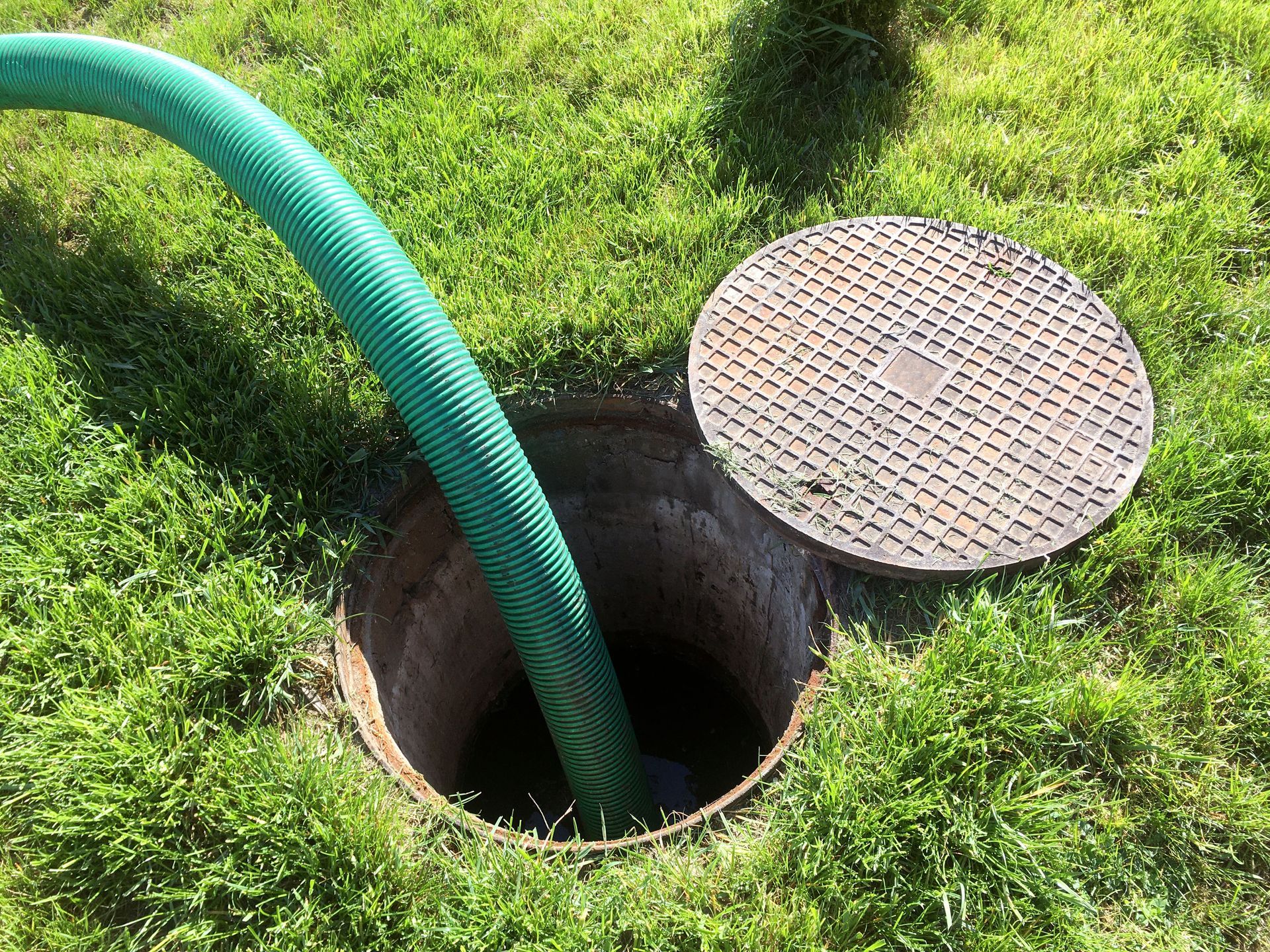
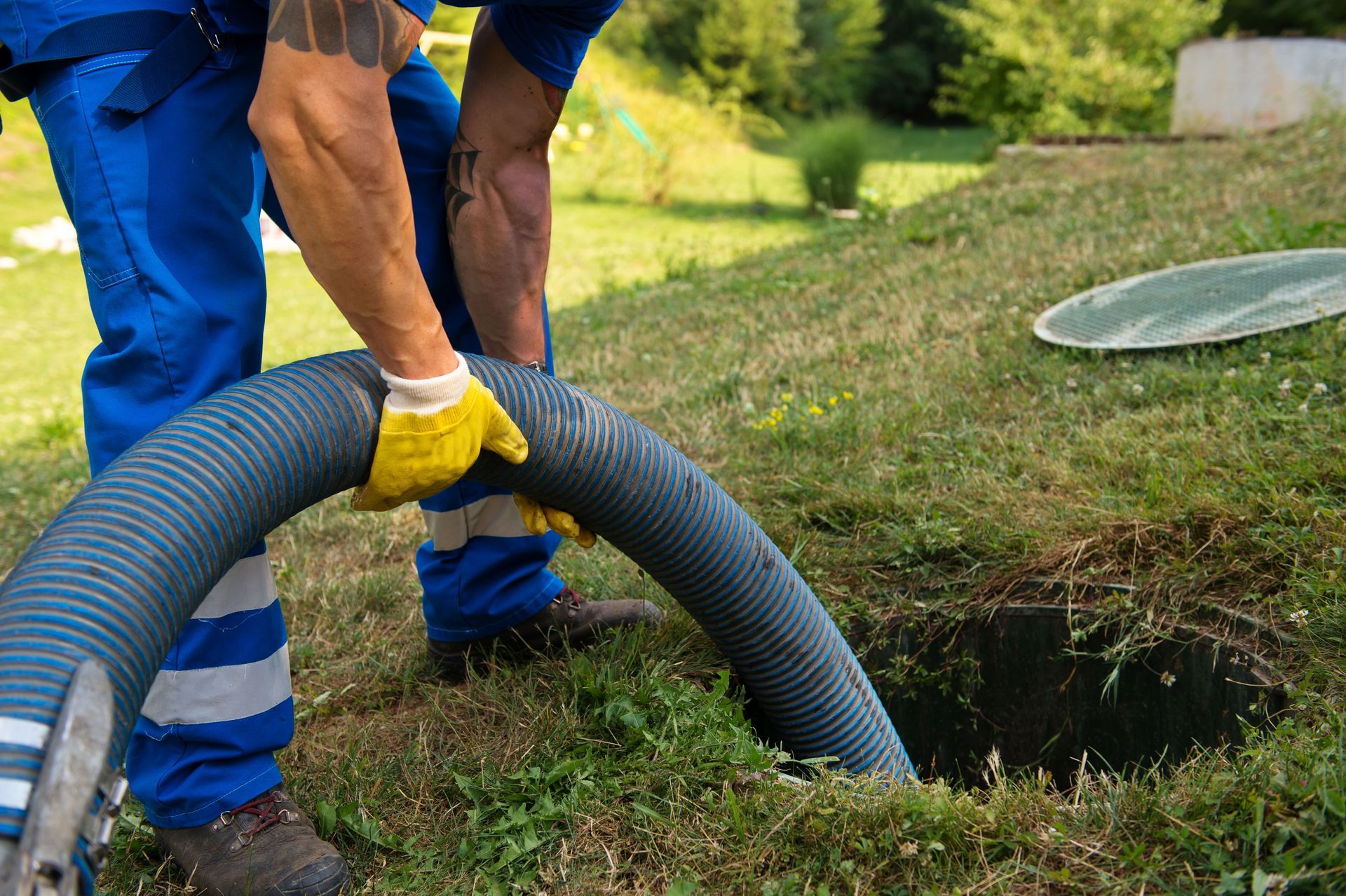
According to HomeGuide, the majority of underground waste reservoirs require professional pumping every three to five years, based on vessel capacity, home occupancy levels, and daily water consumption. Removing solid buildup on a regular schedule preserves internal working capacity and prevents solid particles from blinding surrounding soil pores. Furthermore, requesting a routine septic service ensures that internal baffles, filters, and structural walls undergo thorough evaluation during every maintenance visit.
4. Soil Composition and Drain Field Environmental Conditions
The soil surrounding an underground absorption field acts as a natural biological filter, purifying liquid effluent before it returns to groundwater supplies. Soil type, compaction levels, and drainage capabilities govern how effectively liquid disperses away from the property. Sandy soils offer fast percolation, whereas heavy clay soils retain moisture and slow down liquid absorption, increasing the risk of surface standing water or backpressure on internal tank components.
Environmental conditions such as high groundwater tables or heavy surface rain can saturate surrounding soil, temporarily reducing absorption capacity. Preventing soil compaction around the absorption zone requires keeping heavy vehicles and equipment off the designated drain field area. Consulting an experienced septic service provides valuable insight into local soil conditions, helping property owners implement proper surface drainage strategies that protect absorption fields from excessive rainwater runoff.
5. Waste Material Disposal and Chemical Usage Habits
What enters household drains directly affects the biological health and structural longevity of an underground treatment system. Active bacterial colonies inside the primary vessel perform essential biological decomposition, breaking down solid organic matter into liquid form. Harsh household chemicals, commercial cleaners, paints, solvents, and excessive bleach eliminate beneficial bacteria, halting natural decomposition processes and allowing untreated waste to collect rapidly.
Non-biodegradable items such as wipes, personal hygiene products, paper towels, and kitchen grease must never enter the drain system. These materials do not break down biologically, leading to stubborn blockages in inlet lines and accelerated sludge buildup inside the tank chamber. Working with a local septic service helps property owners establish safe disposal habits and select system-safe cleaning products that preserve essential bacterial ecosystems.
6. Surrounding Tree Root Growth and Heavy Surface Loads
Physical external forces pose a major threat to underground piping and container structures. Tree and shrub roots naturally seek out moisture sources, extending long distances through surrounding soil to find nutrient-rich environments. If deep-rooted vegetation grows too close to underground lines, invasive roots can penetrate pipe joints, crack container walls, and clog distribution pathways, causing severe structural blockages.
Heavy surface loads represent another significant hazard to buried components. Parking vehicles, driving heavy machinery, or constructing surface structures over underground tanks or absorption trenches exerts immense pressure on buried pipes. Controlling surface activities and planting only shallow-rooted vegetation near the disposal area prevents structural crushing, pipe misalignment, and severe structural damage.
7. Installation Quality and Proper System Sizing
The overall longevity of an underground waste treatment setup depends heavily on precise initial engineering, proper sizing, and high-quality installation practices. A system designed for a small residence will quickly experience severe overload if household occupancy increases or water demands expand. Proper sizing ensures that the container and absorption field handle peak daily wastewater volumes without overflowing or backing up into the residence.
Proper installation techniques ensure correct pipe slopes, secure joint seals, and stable backfill bedding around all buried components. Improper grading can lead to standing liquid in distribution pipes or structural sagging over time. Arranging a regular septic service protects initial installation quality by detecting minor alignment shifts or structural settling early, ensuring long-term operational efficiency.
Understanding the key factors that influence underground waste system performance enables property owners to make informed decisions regarding property maintenance. From managing daily water consumption and monitoring disposal habits to protecting surrounding absorption fields and scheduling timely waste removal, proactive care preserves structural integrity and extends overall equipment longevity. Taking preventive measures ensures safe, efficient wastewater management while protecting surrounding land and groundwater resources.
If you are ready for a reliable and long-lasting wastewater system, contact us at Superior Plumbing & Mechanical today. We will help you maintain your equipment, optimize system performance, and extend the overall lifespan of your underground infrastructure.