October 5, 2026
When many homeowners think about their residential waste management systems, they rarely consider the broader ecological impact of these essential structures. Having a private, localized sewage treatment system on your property does much more than handle daily household waste. A carefully managed system plays a crucial role in protecting the surrounding natural habitats from dangerous contamination. From the initial installation to decades of routine maintenance, responsible ownership directly contributes to a healthier local environment.
Ignoring the upkeep of your underground waste system can lead to disastrous consequences for both your property and the surrounding ecosystem. Untreated wastewater carries harmful pathogens, dangerous bacteria, and synthetic chemicals that can easily leach into the ground if a failure occurs. Understanding the profound ecological advantages of regular pumping and professional inspections motivates homeowners to stay diligent with their maintenance schedules. Let us explore four significant environmental benefits that come directly from keeping your waste system in pristine condition.
1. Preventing Groundwater Contamination
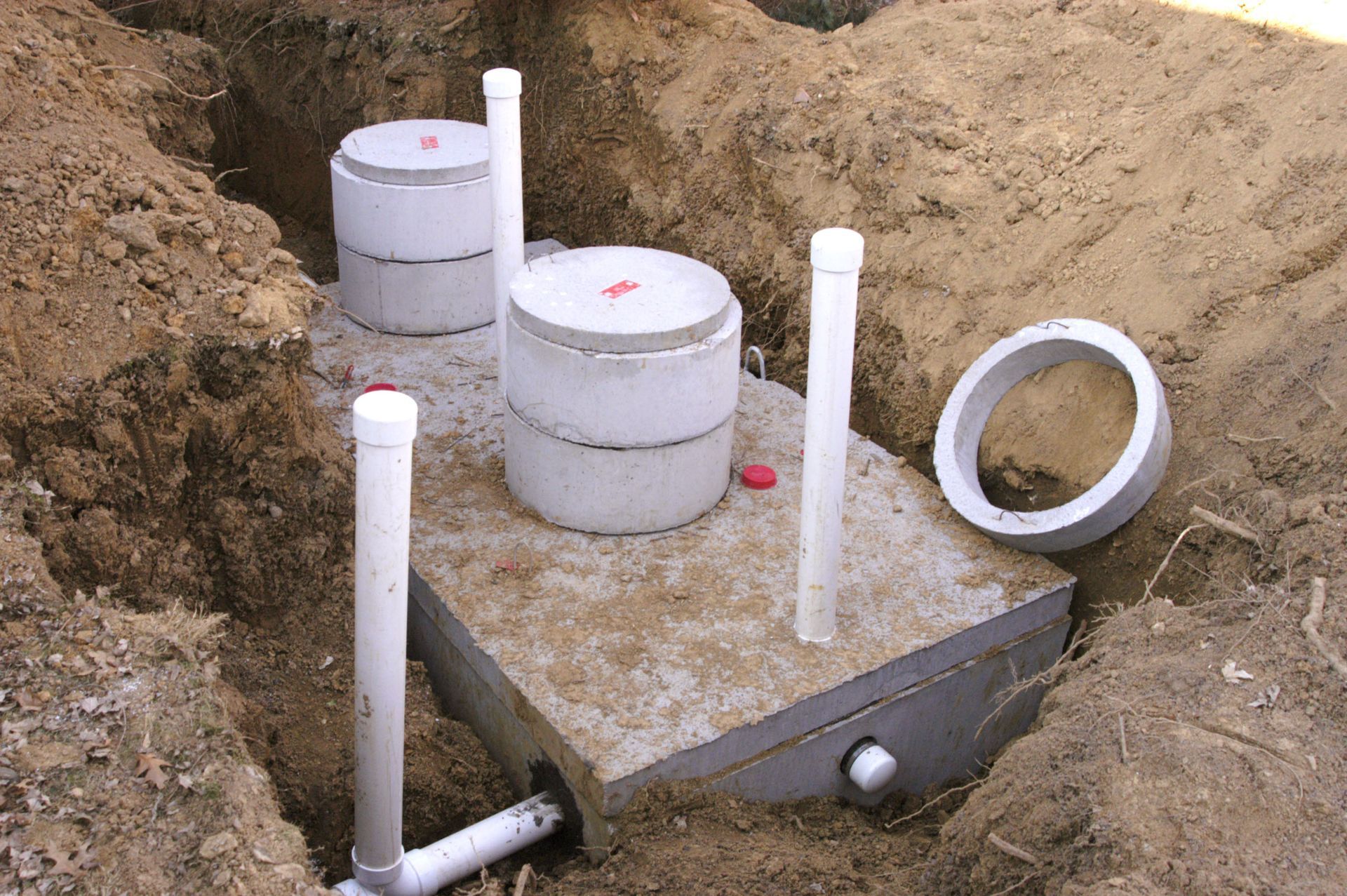
The most immediate ecological advantage of a well-maintained waste system is the prevention of hazardous groundwater pollution. When a subterranean system is neglected, toxic effluent can seep deep into the earth and eventually reach vital underground aquifers. These crucial subterranean water sources often supply drinking water to neighboring homes and sustain local agricultural efforts. By scheduling regular inspections after your initial septic tank installation, you can catch minor leaks before they escalate into massive environmental hazards.
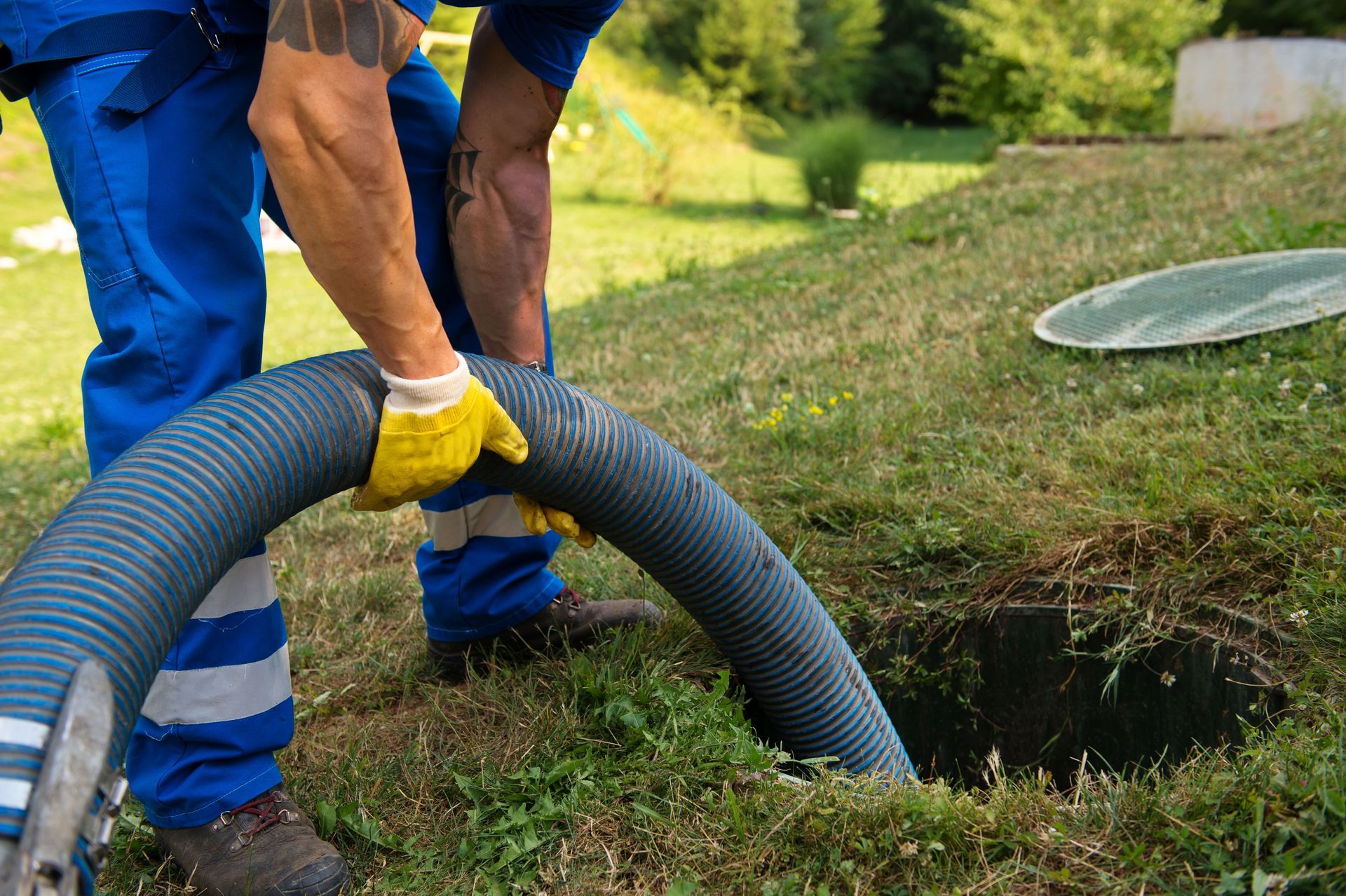
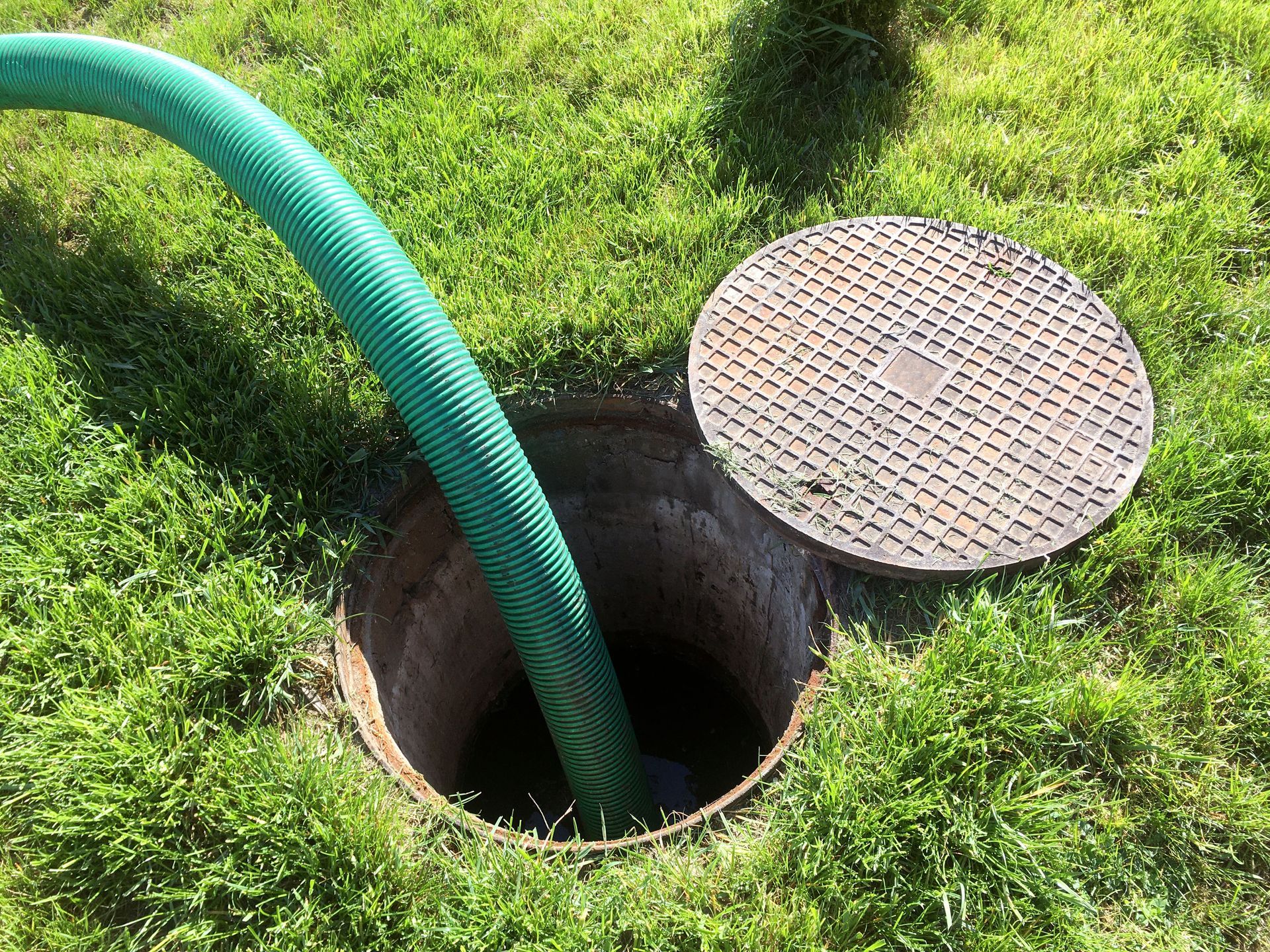
Solid, undigested waste continuously builds up inside the chamber over time, gradually reducing the amount of space available for liquids to separate. If this dense sludge layer reaches the outlet baffle, untreated raw sewage will inevitably flow out directly into the fragile drain field. This overwhelming surge of untreated waste quickly clogs the surrounding porous soil and prevents any natural filtration from successfully taking place. Routine pumping effectively removes this hazardous sludge buildup, ensuring the surrounding subterranean environment stays completely free of toxic waste.
Properly functioning systems heavily rely on a delicate microscopic balance of bacteria to break down complex organic materials safely. Pouring harsh chemical additives, bleach, or excessive synthetic household cleaners down the drain can destroy these beneficial microorganisms, halting the natural decomposition process. Without a robust bacterial environment inside the chamber, the system fails to purify the household wastewater before it re-enters the ground. Responsible homeowners intentionally avoid pouring toxic chemicals down the sink following their septic tank installation to protect this biological ecosystem and prevent groundwater pollution.
2. Protecting Local Wildlife Ecosystems
Surrounding lakes, meandering rivers, and streams are incredibly vulnerable to severe nutrient pollution caused by failing residential waste systems. When excessive amounts of nitrogen and phosphorus escape from a malfunctioning drain field, they almost always migrate rapidly toward nearby bodies of surface water. These unwanted foreign nutrients cause explosive algae blooms that rapidly deplete the essential oxygen levels within the aquatic environment. Carefully monitoring your entire system following a professional septic tank installation guarantees that these destructive chemical nutrients stay securely contained within the designated treatment zone.
When dissolved oxygen levels in lakes and rivers plummet due to algae, local fish populations and aquatic organisms struggle to survive. The resulting biological dead zones can decimate diverse aquatic habitats and disrupt the delicate food chain for miles around. Terrestrial animals that rely on these water sources for daily drinking and hunting also suffer from the cascading effects of this pollution. Maintaining a watertight system is essential for preserving the rich biodiversity of your local watershed.
Even seemingly minor surface leaks can create hazardous puddles of standing wastewater in your yard that attract thirsty wild animals. Migratory birds, curious household pets, and foraging wild mammals might drink from these contaminated pools and contract severe illnesses. Choosing a qualified contractor for your septic tank installation dramatically minimizes the risk of structural failures that cause these dangerous surface leaks. A pristine yard free of raw sewage protects every creature that traverses your property throughout the year.
3. Promoting Natural Soil Rejuvenation
A perfectly functioning, well-designed drain field acts as a highly effective, natural biological filter that safely returns purified water directly to the earth. As the liquid effluent slowly trickles through the carefully arranged layers of dirt and gravel, naturally occurring soil microbes consume any remaining biological impurities. This sustainable purification method effectively recharges the local groundwater supply without relying on massive, energy-intensive municipal treatment plants. An expertly planned septic tank installation ensures the drain field is perfectly situated to maximize this incredible natural filtration process.
Soil health dramatically improves when thoroughly treated wastewater is safely introduced at a steady, manageable rate over an extended period. The consistent, gradual release of moisture helps maintain a highly stable, nurturing environment for beneficial earthworms, complex subterranean fungi, and healthy ground vegetation. Conversely, a completely flooded or chemically saturated drain field will quickly suffocate and permanently kill off these essential, microscopic soil-dwelling organisms. Keeping up with regular maintenance ensures the surrounding soil remains properly porous, well-oxygenated, and teeming with beneficial subterranean life.
It is also important to consider the long-term lifespan of these underground structures and how their inevitable degradation impacts the earth. According to HomeGuide, property owners typically must install a new wastewater system after 40 years of use, particularly if they notice visible fissures, require constant maintenance, or need excessive pumping. Catching these warning signs of severe degradation early effectively prevents massive soil contamination from a collapsed underground chamber. Timely replacements and diligent upkeep allow the earth to safely process residential wastewater for decades without harmful interruption.
4. Conserving Valuable Municipal Resources
Relying on a decentralized private waste management system significantly reduces the operational burden placed on aging city sewer infrastructure. Large municipal treatment plants require immense amounts of electrical energy and harsh chemical treatments to process millions of gallons of sewage daily. By responsibly treating your own household waste on-site, you actively lower the overall carbon footprint associated with modern municipal wastewater management. In this impactful way, every successful septic tank installation significantly contributes to a broader effort toward regional energy conservation.
Beyond daily energy consumption, aging public sewer networks are notoriously prone to catastrophic overflows during heavy seasonal rainstorms. When centralized city systems become overwhelmed by stormwater, they often release millions of gallons of raw sewage directly into open oceans and rivers. Private residential systems operate completely independently of these strained municipal networks, effectively neutralizing this specific overflow risk. Proper upkeep of your personal underground system ensures your household never inadvertently contributes to these devastating municipal pollution events following a flawless septic tank installation.
Furthermore, treating water locally allows it to remain within the immediate natural watershed rather than being piped miles away. Centralized municipal systems frequently discharge fully processed water into distant oceans or rivers, slowly draining the localized water table over extended periods. A well-maintained drain field returns clean water directly back to the exact physical property from which it was originally drawn. This localized conservation method creates a sustainable closed-loop water cycle that protects the surrounding environment from long-term drought conditions.
Understanding the environmental impact of your private wastewater system highlights the lasting importance of diligent residential property management. Routine professional inspections, responsible household chemical usage, and timely pumping all work harmoniously to protect the earth from devastating pollution. Dedicated homeowners who consciously prioritize these essential maintenance tasks actively defend their precious local groundwater, vulnerable wildlife habitats, and underlying soil health. Investing in quality upkeep immediately following a proper
septic tank installation is easily one of the most eco-friendly decisions a homeowner can make.
At Superior Plumbing & Mechanical, we are committed to helping you maintain a safe, efficient, and environmentally friendly waste management system. Contact us today to schedule your next comprehensive diagnostic inspection or routine pumping service. Let our highly experienced team ensure your beautiful property remains a truly pristine, thoroughly protected natural environment for many generations to come.